
RV Inspections
A thorough professional inspection examines every facet of the vehicle to ensure it is safe and functional. Key areas typically include:
-
Exterior & Roof: Inspectors check for roof seal degradation, cracks, soft spots, and signs of water damage, which are among the most common and expensive RV issues.
-
Plumbing & Propane: Systems are pressure-tested to check for leaks, and tanks are evaluated for proper capacity and functionality.
-
Electrical Systems: Both 12-volt (battery) and 120-volt (shore power) systems, as well as the inverter, converter, and onboard generator, are tested under load.
-
Appliances: The refrigerator, stove, oven, water heater, and air conditioners are all operated to verify they function on both AC power and propane.
-
Chassis & Engine (Motorized RVs): An assessment of the engine, transmission, brakes, suspension, and tires to verify roadworthiness.
-
Safety Features: Fire extinguishers, LP detectors, smoke alarms, and emergency exits are verified against safety standards.
Why Get an RV Inspection?
-
Whether you are buying or selling, an inspection offers essential transparency.
-
For Buyers: It provides peace of mind and bargaining power, especially on used rigs where hidden issues (like structural water damage) can cost thousands to repair.
-
For Sellers: It acts as proof of condition, justifying your asking price and helping the vehicle sell faster.
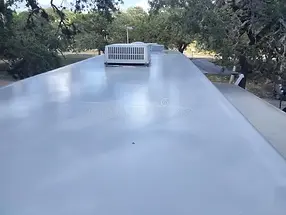
Roof Inspections
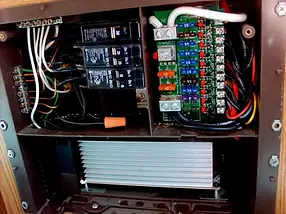
Electrical Inspection
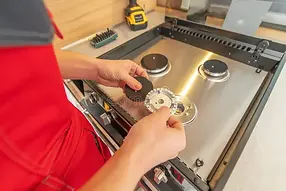
Appliance and Propane Safety Inspections